
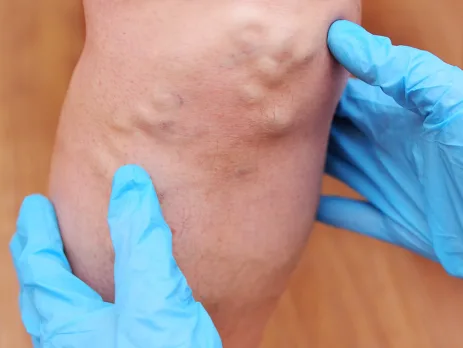
Lower limb health is a key pillar of overall quality of life, but it is often neglected until the first serious symptoms appear. Varicose veins in the legs are one of the most common diseases of the vascular system, affecting millions of people worldwide. It is not just an aesthetic issue, as many mistakenly believe, but a clear indication of chronic venous insufficiency.
When the valves in the veins, which direct blood back to the heart, fail to function properly, blood pools. This increased pressure causes the vessels to dilate, swell, and twist, creating what are called varicose veins in the legs. Many patients endure the annoying symptoms for years, considering them an inevitable result of age, standing or heredity. However, medicine has evolved significantly, offering solutions that prevent deterioration and protect against serious complications.
The first symptoms and progression of the disease
The appearance of varicose veins in the legs usually begins gradually, with mild signs that can easily be ignored. Initially, a feeling of heaviness, fatigue or burning in the calves may be observed, especially after a tiring day of prolonged standing or sitting. As venous pressure increases, varicose veins in the legs become visible under the skin as raised, blue or purple lines that distort the surface of the limb.
Over time, the clinical picture tends to worsen if there is no intervention. Patients begin to complain of frequent night cramps, intense itching (itching) around the swollen veins, as well as swelling (edema) in the ankles and feet, which temporarily subsides after lying down overnight. These symptoms indicate that varicose veins in the legs have begun to affect the microcirculation of the tissues, causing inflammation in the skin and subcutaneous tissues. Recognizing these warning signs is crucial, as early diagnosis prevents the transition to more advanced and difficult to manage stages of the disease.
When is a visit to a vascular surgeon necessary?
Examination by a vascular surgeon should not be postponed until the condition becomes unbearable. There are specific criteria and indications that make medical evaluation an immediate priority. The general rule dictates that when varicose veins in the legs are accompanied by daily, persistent pain that limits activities or affects the quality of sleep, a specialist opinion is necessary.
In addition, a visit is considered necessary when changes in the color or texture of the skin around the calf or ankle area are observed. If the skin becomes darker (brown or black), dry, hard and shows eczema, this means that varicose veins in the legs have caused advanced venous stasis. Another serious reason to seek vascular surgery advice is the appearance of local heat, redness and hardness along a vein, symptoms that indicate superficial thrombophlebitis. The vascular surgeon is the only doctor who has the appropriate training to accurately assess the severity of the condition through specialized examinations, such as Triplex ultrasound of the veins.
The risks and complications of lack of treatment
The perception that varicose veins in the legs are harmless is wrong and can lead to serious health risks. Chronic stagnation of blood in the veins alters the hemodynamic balance of the leg, paving the way for dangerous complications. One of the most worrying consequences is the development of deep vein thrombosis. If a clot breaks loose from the deep veins, it can travel to the lungs and cause a pulmonary embolism, an extremely life-threatening condition.
Another common and extremely painful complication caused by neglected varicose veins in the legs are venous ulcers. These are wounds that usually open near the ankle, which are very difficult to heal due to poor blood circulation and chronic tissue hypoxia. These ulcers are prone to infections and require long-term and specialized care. At the same time, the swollen veins are vulnerable to injuries. Even a small blow to an area where there are severe varicose veins in the legs can cause external bleeding (varicose bleeding), which is often frightening in terms of blood volume and requires immediate pressure and medical attention.
Modern methods of diagnosis and treatment
Modern vascular surgery has largely abandoned the old, painful surgical techniques of the past. Today, the diagnosis of how varicose veins in the legs develop is performed painlessly and with absolute accuracy in the doctor's office using Triplex ultrasound. This examination allows the mapping of the venous network and the identification of the exact point where the valve insufficiency is located.
In terms of treatment, the options are now minimally invasive, offering excellent results with minimal post-operative pain and an immediate return to daily activities. The main methods include:
- Intravenous thermal ablation with Laser or Radiofrequency (RF): Through a microscopic hole, a specialized catheter is inserted into the affected vein and, using thermal energy, causes its closure and gradual absorption by the body.
- Non-thermal methods: The vein is sealed without the use of heat or local anesthesia, further reducing recovery time.
- sclerotherapy Foam Used mainly for smaller varicose veins or recurrences, where a special substance is injected into the vessel, causing it to shrink.
- Microphlebectomy: Removal of visible varicose veins through very small holes that do not require stitches and do not leave scars.
The choice of the appropriate method depends on the anatomy and needs of each patient, with the vascular surgeon designing a completely personalized treatment plan.
Prevention and daily management of venous health
Although heredity plays a decisive role in the appearance of the disease, adopting certain daily habits can delay the progression or alleviate the symptoms caused by varicose veins in the legs. Maintaining a normal body weight is essential, as excess weight increases pressure on the venous system of the lower extremities. Regular physical activity, such as walking, swimming and cycling, activates the calf muscle pump, helping the blood to move upwards.
Avoiding prolonged standing and immobility in a sitting position is essential. When work requires a sedentary lifestyle, regular leg movement or short walking breaks are recommended. Elevating the legs above the level of the heart during rest provides immediate relief and facilitates venous return. In addition, the use of special graduated compression stockings, as recommended by the doctor, is one of the most powerful means of conservative treatment, stabilizing the walls of the vessels and preventing swelling.
Vascular Surgeon Dr. med. Nektarios Galanis, with deep knowledge and many years of experience in the field of varicose veins, approaches the issue caused by varicose veins with absolute individualization.