
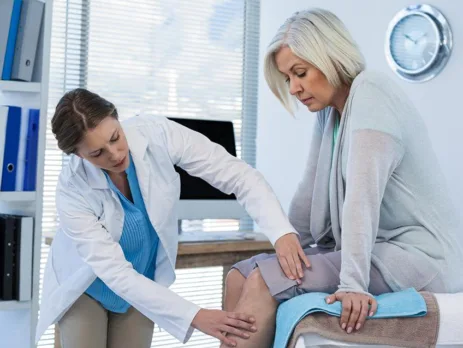
Venous insufficiency is one of the most common diseases, affecting millions of people worldwide. It is a chronic condition that affects the circulatory system and, if left untreated, can significantly reduce the patient's quality of life. Many people endure the annoying symptoms every day, considering them simply a result of fatigue or age, without realizing that venous insufficiency is behind them. Proper information about the symptoms, causes and available treatment options is the first and most important step towards relief and prevention of more serious complications.
What is venous insufficiency and how does it develop?
The veins in the legs have small, one-way valves that open to allow blood to flow upward, against gravity, and then close immediately afterwards to prevent it from flowing backward. When venous insufficiency occurs, these valves malfunction, fail to close tightly, or the vein walls weaken and widen.
The result is that the blood does not move properly, but rather backs up and pools in the veins of the lower extremities. This increased pressure inside the vessels causes them to gradually swell, leading to a series of chain reactions in the surrounding tissues. Venous insufficiency is not a simple aesthetic problem, but a progressive disease that goes through several stages, starting from simple varicose veins and reaching varicose veins and chronic ulcers.
The main symptoms you should not ignore
Venous insufficiency manifests itself with a variety of symptoms, which tend to worsen during the day, particularly after prolonged standing or sitting, as well as during the hot summer months.
- Feeling of heaviness and fatigue: Patients often describe their legs as “pencil” at the end of the day.
- Swelling (edema): It occurs mainly around the ankles and shins and sometimes subsides after lying down at night.
- Pain or dull ache: A constant discomfort along the veins that may be accompanied by a burning sensation.
- Nocturnal cramps: Intense, sudden spasms in the calf muscles during sleep.
- Itching and skin lesions: The skin on the lower legs may become dry, develop eczema, or acquire a dark, brownish color (pigmentation) due to chronic blood stasis.
- Restless legs: An intense need to constantly move the legs, especially while resting.
What are the main causes and risk factors?
The onset of the condition is not due to a single factor, but is the result of a combination of genetic predisposition and daily habits. Understanding the causes helps to better prevent and manage the condition.
Heredity plays a decisive role. If one of the parents suffers from the disease, the likelihood of the children developing it is significantly increased. In addition, age is an aggravating factor, as over time the walls of the blood vessels and the valves lose their natural elasticity.
Gender also influences the incidence, with women being more frequently affected due to hormonal changes during menopause, menstruation and, most importantly, pregnancy. During pregnancy, the increased amount of blood and the pressure exerted by the uterus on the pelvic veins make circulation difficult. At the same time, the modern lifestyle, obesity, lack of physical exercise, smoking and professions that require long hours of standing or immobility in an office, constitute the ideal background on which venous insufficiency develops.
How is the disease correctly diagnosed?
Early and accurate diagnosis is essential to design the appropriate treatment plan and prevent the disease from progressing to more advanced stages. The process always begins with a detailed medical history and a careful clinical examination of the lower extremities in an upright position, in order to identify visible varicose veins, swelling or changes in skin color.
The gold standard in diagnosis is the Triplex ultrasound of the veins of the lower extremities. This is a completely painless, safe and non-invasive examination, which allows the specialist to map the venous network with absolute precision. Through Triplex, the anatomy of the vessels is checked, the direction of blood flow and the points where the valves are inefficient or if there is an old or recent clot are precisely identified.
Venous insufficiency: Modern methods of treatment and therapy
The treatment of the condition has made enormous progress in recent years, moving away from the old, painful surgical procedures. The treatment strategy is individualized depending on the stage of venous insufficiency.
In the early stages, conservative treatment is particularly effective. This includes the use of special graduated compression stockings, which apply external pressure to the leg, helping the blood to move upwards. At the same time, phlebotonic preparations that strengthen the vessel wall may be administered.
For the most advanced stages, where there are large varicose veins or severe reflux, modern minimally invasive methods offer a definitive solution. Endoluminaltreatment with Laser or radiofrequency is the most popular option. Through a microscopic hole, a thin catheter is inserted into the affected vein and, using thermal energy, seals it from the inside. The blood is then automatically diverted through healthy veins. The patient returns home the same day, without pain or large incisions. Other methods include sclerotherapy for smaller vessels and the use of a special medical glue.
Prevention tips and lifestyle changes
Even if there is a hereditary predisposition, adopting certain daily habits can significantly delay the onset of the disease or alleviate existing symptoms.
- Incorporate movement into your life: Walking, swimming, and cycling activate the calf "muscle pump," which pushes blood back to the heart.
- Avoid prolonged immobility: If you have a sedentary job, get up every hour for a short walk or do foot exercises.
- Control your weight: Extra pounds increase pressure on the veins in your legs.
- Elevate your legs: When resting, place your legs on pillows, slightly higher than the level of your heart.
- Avoid excessive heat: Hot baths, saunas, and prolonged sun exposure cause vasodilation, worsening the condition.
- Avoid very tight clothing and high heels: They hinder natural blood flow.
A timely visit to a specialized scientist, such as the Vascular Surgeon, Dr.med. Nektarios Galanis, ensures the correct guidance and the selection of the most appropriate treatment for each stage of the disease. For a comprehensive and valid clinical assessment, guidance from an experienced specialist is essential.