
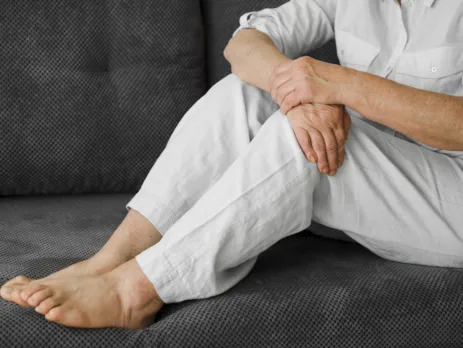
Swollen feet in the summer: How can I get relief?
The arrival of summer brings with it high temperatures, sunshine and the need to relax. However, for a large percentage of the population, the heat is accompanied by a persistent and annoying problem: swollen feet. The feeling of heaviness, discomfort in shoes and visible swelling in the ankles and soles are daily phenomena during the summer months. But why does this condition worsen when the mercury rises and how can it be effectively treated? This phenomenon, also known as peripheral edema, is not just an aesthetic issue, but a biological response of the body to the heat that requires proper management.
Why does summer heat cause swollen feet?
The main reason why swollen feet appear in the summer lies in the human body's thermoregulation mechanism. When the external temperature increases, the body tries to dissipate heat to maintain a constant internal temperature. It achieves this through vasodilation, i.e. the widening of blood vessels, especially those located near the surface of the skin.
This widening of the vessels slows down the flow and increases the volume of blood in the veins. Since the veins in the lower extremities have to work against gravity to send blood back to the heart, vasodilation makes their job more difficult. The valves in the veins, which normally prevent blood from flowing backward, have difficulty closing tightly. The result is a pooling of blood and fluid in the tissues of the lower extremities, a condition that is visually manifested as swollen legs.
Furthermore, increased humidity and the body's general tendency to retain sodium and water on hot days exacerbate the problem. Fluid escapes from the capillaries into the surrounding intercellular spaces (lymphatic fluid), causing the characteristic swelling that becomes more pronounced towards the end of the day.
Risk factors that worsen edema in the lower extremities
While heat affects everyone, certain factors significantly increase the likelihood of someone developing swollen feet during the summer. Understanding these factors helps to better prevent and treat the condition.
- Standing and Sedentary Life: Prolonged immobility, whether due to office work or jobs that require long hours of standing, inactivates the calf muscle pump. The calf muscles normally contract when walking, pressing on the veins and helping the blood return. Without this movement, fluids pool in the lower extremities.
- Increased body weight: Extra weight puts more pressure on the circulatory system and joints, reducing the effectiveness of venous return.
- Pregnancy: During pregnancy, hormonal changes relax the walls of blood vessels, while the growing uterus exerts physical pressure on the large veins of the pelvis, obstructing flow from the lower extremities.
- Age: Over time, vein walls lose their elasticity and valves wear out, making older people more susceptible.
- Poor diet: High salt consumption leads to immediate fluid retention, which is immediately noticeable as swollen feet when combined with high temperatures.
Natural ways of relief and daily habits
The treatment for swollen feet starts with simple but extremely effective changes in your daily routine. Implementing these tips can significantly reduce fluid accumulation and restore a feeling of lightness. First, elevating your feet is the most immediate solution. By placing your feet on pillows, at a height higher than your heart, for 15 to 20 minutes, three times a day (and generally whenever possible), gravity works positively, facilitating fluid drainage and venous circulation.
Secondly, the use of cold water provides immediate relief. A cold shower on the lower extremities, starting from the feet and moving upwards, causes vasoconstriction. This means that the vessels narrow again, their walls are toned and the escape of fluids into the tissues is limited. On the contrary, hot baths, saunas and prolonged exposure to the sun should be avoided, as they worsen vasodilation.
Third, gentle massage in circular motions, always from the ankles to the knees, helps mobilize lymph and blood. The use of specialized gels with refreshing ingredients such as menthol or horse chestnut extract can enhance the feeling of coolness.
The importance of nutrition and proper hydration
Diet plays a key role in managing edema. One of the biggest misconceptions is that reducing water intake will reduce retention. In fact, the opposite is true: when the body is dehydrated, it tends to retain whatever fluids it has, exacerbating the phenomenon that leads to swollen feet. Drinking at least two liters of water a day helps eliminate excess sodium and maintain proper fluid balance.
Reducing salt intake is equally critical. Sodium binds water in the body. In addition to table salt, attention should be paid to hidden sources of sodium, such as processed foods, deli meats, canned goods, and salty snacks.
At the same time, including foods rich in potassium in the diet helps balance sodium levels. Foods such as bananas, avocados, spinach and tomatoes act as natural diuretics. Also, fruits with a high water content, such as watermelon and cucumber, support hydration and the elimination of toxins, reducing the likelihood of swollen feet bothering the body.
Movement and appropriate clothing: The allies of summer
Physical activity is essential for activating the circulatory system. Even during hot days, gentle exercise can prevent the appearance of edema. Walking during cooler hours (early morning or late afternoon) is the simplest and most effective exercise for the functioning of the calf muscle pump. Swimming is also an ideal summer activity, as the hydrostatic pressure of the water acts as a natural compression garment, helping fluids to move from the lower extremities, while the cool water immediately relieves swollen feet.
The choice of clothing and footwear also affects circulation. Very tight trousers or clothing that squeezes the waist and hips can impede venous return. As for shoes, very high heels immobilize the calf muscle, preventing proper blood pumping. On the other hand, completely flat shoes (such as flip-flops) are not ideal either, as they do not offer proper support to the arch of the foot. An anatomical shoe with a low, stable heel (2-4 cm) is the best option. In the work environment, if necessary, graduated compression stockings, although less comfortable in the heat, offer significant protection against swollen feet.
When does swelling hide something more serious?
In most cases, swollen feet in the summer are a temporary and innocent condition caused solely by the heat and standing. However, there is evidence to suggest that swelling can be a symptom of an underlying medical condition, such as chronic venous insufficiency, varicose veins, or even heart, kidney, and liver problems.
Medical evaluation is necessary if swelling occurs suddenly and only in one leg (unilateral edema), as this may be a sign of deep vein thrombosis, a condition that requires immediate treatment. Also, if swollen legs are accompanied by pain, redness, local increase in skin temperature, or if the swelling does not subside at all after a night's rest, a visit to a specialist should not be postponed.
When symptoms persist or become more severe, guidance from a specialized scientist is the only safe way to definitively address the problem. Vascular Surgeon, Dr.med. Nektarios Galanis, points out that early mapping of the venous system using ultrasound (Triplex) allows the identification of the exact cause of swollen legs, distinguishing simple fatigue from venous insufficiency.
Through a personalized approach, the vascular surgeon can suggest the appropriate treatment strategy, which may include special instructions for graduated compression stockings and phlebotonic preparations, to modern, minimally invasive methods for the rehabilitation of varicose veins, thus ensuring a summer full of health, comfort and freedom of movement.